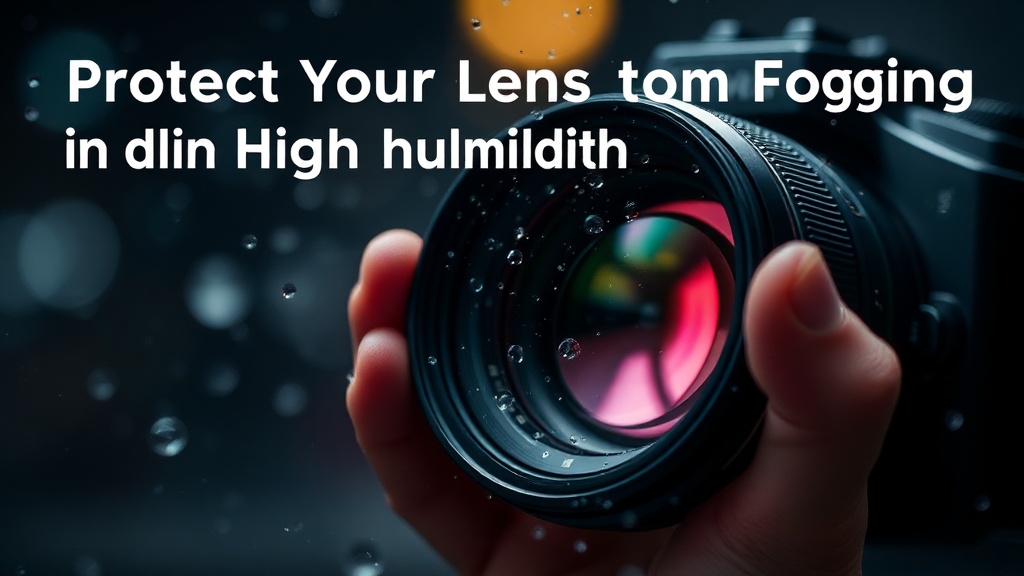
Protect Your Lens from Fogging in High Humidity

Quick Tip
Acclimatize your gear to the environment gradually to prevent sudden condensation.
Have you ever pulled focus on a high-end camera only to find the lens completely obscured by a white veil of condensation?
High humidity and rapid temperature shifts turn expensive glass into useless weights. This post breaks down how to prevent lens fogging using physical barriers, chemical coatings, and proper storage techniques. It's about protecting your investment so you aren't stuck with a blurry shot when the light is perfect.
How Can I Prevent Lens Fogging in High Humidity?
The most effective way to prevent fogging is to manage the temperature differential between your lens and the ambient air. When warm, moist air hits a cold glass surface, it undergoes condensation—simple physics that no amount of marketing can bypass. You can mitigate this by using a lens heater or keeping your gear in a sealed, dry environment before use.
If you're shooting in tropical or coastal environments, a dedicated lens heater (like those from various electronics brands) provides a constant, low-level heat that keeps the glass just above the dew point. It's a small price to pay for keeping your view clear. Don't rely on "weather-sealed" labels alone—sealing prevents water droplets, but it doesn't stop internal fogging from temperature shifts.
Here are three ways to manage your gear during a transition:
- The Ziploc Method: Before moving from an air-conditioned car to a humid trail, place your camera in a sealed plastic bag. Let it reach ambient temperature before opening it.
- Silica Gel Packs: Keep several high-grade silica packets in your camera bag to pull moisture out of the air.
- Lens Heaters: For long exposures or night photography, use a USB-powered heating strip to keep the element warm.
What Is the Best Way to Clean Condensation Off a Lens?
Never use your shirt or a standard paper towel to wipe a foggy lens; you'll likely leave micro-scratches or streaks that ruin your clarity. Instead, use a dedicated lens cleaning solution and a clean microfiber cloth. If the fogging is heavy, wait for the temperature to equalize rather than forcing it with heat.
A quick comparison of common "fixes" and their actual efficacy:
| Method | Effectiveness | Risk Level |
|---|---|---|
| Breath Fogging | Low (Temporary) | Low |
| Microfiber Wipe | Medium (Surface only) | Medium (Scratch risk) |
| Silica Gel/Dry Box | High (Long-term) | Very Low |
| Lens Heater | High (Active use) | Low (If used correctly) |
If you're out in the field and need to ensure your electronics are functioning through heavy moisture, you might be interested in smart gadgets for tracking environmental data. Understanding the dew point can actually help you predict when your gear is at risk. It's a way to work with the environment rather than fighting it.
One final tip: if you're using high-end optics, treat the glass with a high-quality water-repellent coating. It won't stop the fog, but it makes the moisture bead and roll off much faster once the temperature stabilizes.